What It Is, What It Does, and What to Know Before You Try It
Microneedling uses fine needles to create thousands of controlled micro-injuries in the skin. It sounds counterintuitive, but the controlled damage is the point. Here is how it works, what it treats, and how to approach it safely.
What Is Microneedling?
A microneedling device pokes tiny holes into the skin at a controlled depth, ranging from 0.5mm at the surface to deeper settings used in professional treatment. The micro-injuries trigger the skin's natural repair process, driving collagen and elastin production. The result is skin that rebuilds itself in a more organized, healthier way over time.
What Does Microneedling Treat?
There are hundreds of published studies supporting microneedling's use across a range of conditions:
- Fine lines and wrinkles
- Acne scars and general scarring
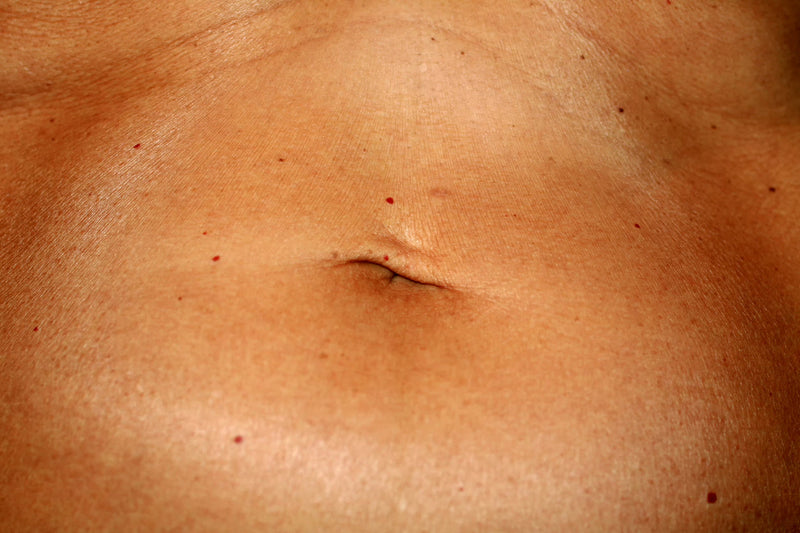
- Stretch marks
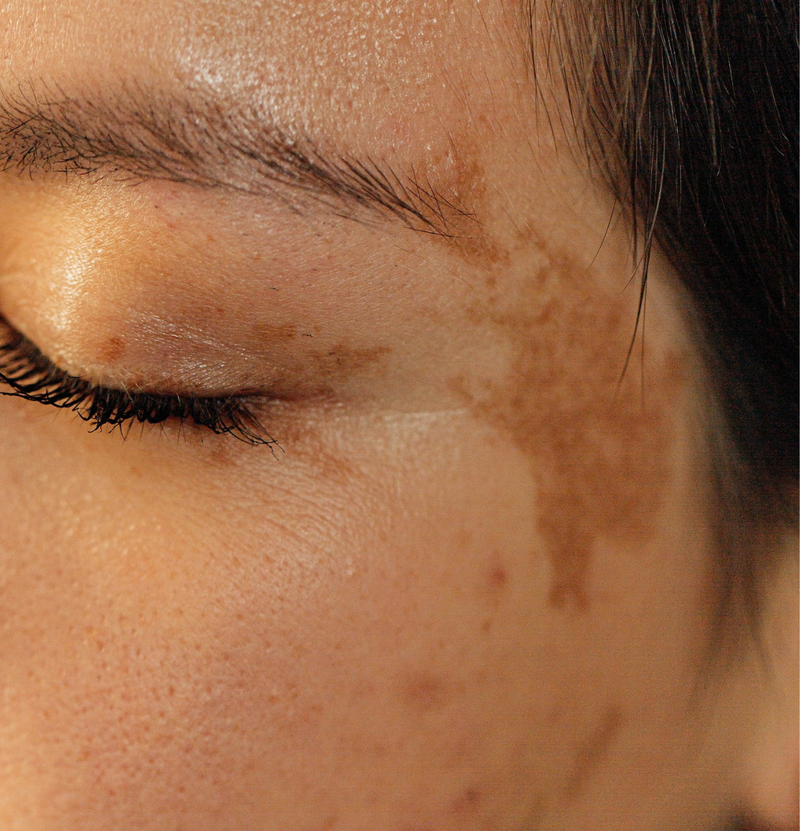
- Melasma and other forms of hyperpigmentation
- Hair loss (particularly when combined with minoxidil)
- Enlarged pores
It is also one of the few procedures safe for all skin tones. Laser-based treatments generate heat, which carries real risk of post-inflammatory hyperpigmentation in darker skin tones. Microneedling does not generate heat. Some PIH risk exists with any skin trauma, but it is significantly lower here.
At-Home vs. In-Office
In-office microneedling gives you the most control and the most consistent results. A dermatologist adjusts depth based on the treatment area, uses single-use sterile tips, and can apply numbing cream to keep the procedure comfortable. Downtime is modest: pinpoint bleeding on day one, redness and mild flakiness for a few days, back to baseline in about a week.
At-home devices require more caution. Two main types exist:
Dermarollers roll across the skin rather than stamping straight down. The dragging motion creates cuts and scrapes rather than clean punctures, increasing the risk of trauma, scarring, and infection. They are considered inferior to stamping devices.
Stamping devices (dermapens) move straight in and out of the skin. More controlled, more precise, and significantly less traumatic. If microneedling at home, this is the better option.
Regardless of device: never share, replace tips regularly, cleanse before and after, and stay conservative on depth. The deeper you go without professional oversight, the higher the risk.
A Note on Ingredients
Microneedling enhances absorption of topical ingredients by disrupting the stratum corneum, the outermost barrier layer. This is why it is often combined with treatments like minoxidil for hair loss. The important caveat: not every ingredient belongs on compromised skin. Granulomatous reactions and allergic sensitization from serums applied post-needling have been documented. Vitamin C and vitamin A serums have both been implicated. In the 24 to 48 hours after, plain sunscreen and gentle care are the safest approach.
Retinoids used as part of a consistent daily routine (not applied immediately post-needling) are one of the best long-term complements to microneedling for collagen support, cell turnover, and overall skin health.
Who Should Consider It
Microneedling is well-tolerated, works across all skin tones, and addresses concerns like acne scarring, melasma, texture, and enlarged pores that are otherwise difficult to treat. A consultation with a board-certified dermatologist is the right starting point to determine whether in-office treatment makes sense for your specific concerns.