Those small, hard white bumps under your eyes are not pimples. They will not respond to squeezing. And no, your pore strips won't touch them. They are milia — and they play by different rules.
Here is what they actually are, why they form, and what you can realistically do about them.
What Are Milia?
Milia are tiny keratin cysts that form just beneath the surface of the skin. Keratin is the protein your skin, hair, and nails are made of — and when dead skin cells get trapped instead of shedding normally, they can form a small, hard, enclosed pocket.
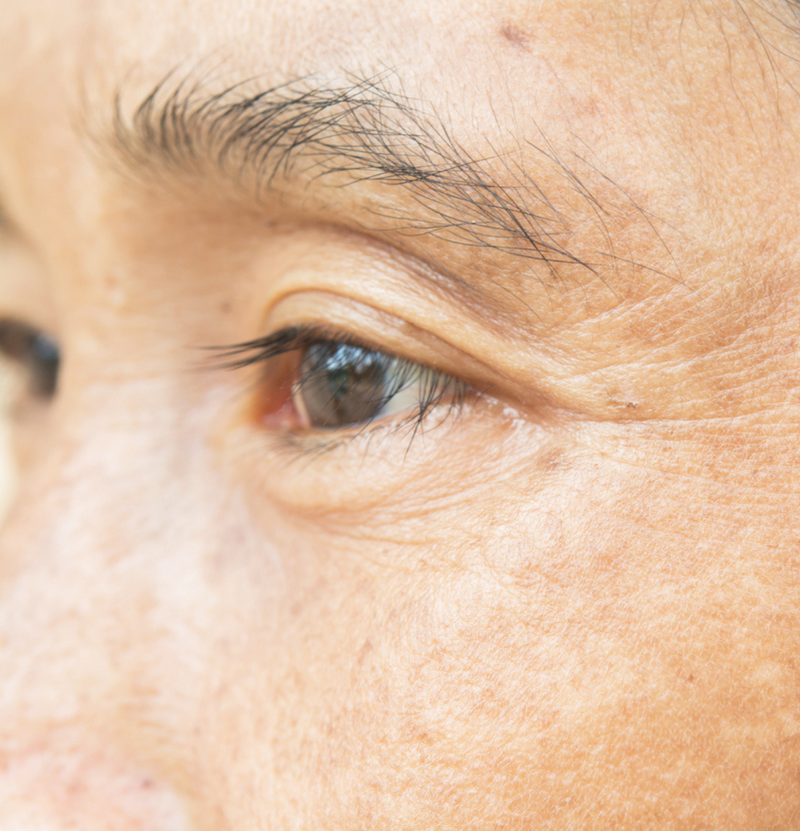
They're most common around the eyes, nose, and cheeks, though they can appear anywhere on the face. They look like small white or yellowish pearls and feel firm to the touch. Unlike whiteheads, there is no opening at the surface. That's why you cannot pop them.
Why They Form
The short answer: your skin isn't turning over fast enough, or something is blocking that process.
Contributing factors include:
- Slowed cell turnover — dead skin cells accumulate instead of shedding
- Heavy or occlusive moisturizers that block the follicle
- Chronic sun damage — a documented trigger for milia, particularly around the temples
- Scarring from procedures like deep chemical peels or CO2 laser (milia can actually form as part of the healing process)
Before You Treat: Make Sure It's Actually Milia
There's a common look-alike worth knowing about: syringomas.
Syringomas are small growths that originate from sweat ducts — not trapped keratin. They tend to appear slightly more yellow, and unlike milia, there is nothing inside them to extract. Treatment is completely different (typically an electric needle to destroy the growth). Attempting aggressive extraction on syringomas doesn't work and can cause lasting damage.
If you've been trying to extract the same bumps for months with no result, it's worth seeing a dermatologist to confirm the diagnosis before continuing.
What Actually Works (And What Doesn't)
✅ Prevention and Early Treatment:
- Retinoids: The most evidence-backed tool here. They accelerate cell turnover and make skin cells less sticky — reducing the chance that dead cells get trapped. Consistent use is your best long-term defense. They also help with existing milia by thinning the skin over the cyst so the body can clear it naturally.
- Exfoliating acids: Glycolic, lactic, and salicylic acids keep the outer layer of dead skin from accumulating. Regular chemical exfoliation prevents milia from forming and supports treatment of existing ones over time.
- SPF — daily, non-comedogenic: Chronic UV exposure disrupts normal keratinization and is a known contributor to milia. Choose a lightweight formula. Heavy or occlusive sunscreens can make the problem worse.
✅ For Persistent Milia:
- Professional extraction: A dermatologist creates a small nick in the surface of the skin and expresses the keratin cyst. It's quick, precise, and immediately effective. Estheticians can perform this too.
🚫 What Doesn't Work:
- Squeezing or picking: There's no opening. You're not going to win.
- Pore strips and clay masks: These work on plugged pores, not sealed cysts.
- "Brightening" creams marketed at under-eye bumps: If there are no active exfoliants or retinoids in the formula, it's not addressing the right mechanism.