15% OFF SITEWIDE THIS WEEKEND: THANKS2YOU
🍊 FREE MINI VITAMIN C ON ORDERS $50+
Ingredients

Last Updated Mar 19, 2026

Acetyl Glucosamine: The Brightener That Also Hydrates

Author
|
Dermatology Resident Physician
Dr. Phuong Daniels

Acetyl glucosamine works on two fronts: it interrupts melanin production to fade dark spots, and as a building block of hyaluronic acid, it supports hydration and barrier function at the same time.

Here's what the research shows and how to use it.

What Is Acetyl Glucosamine?

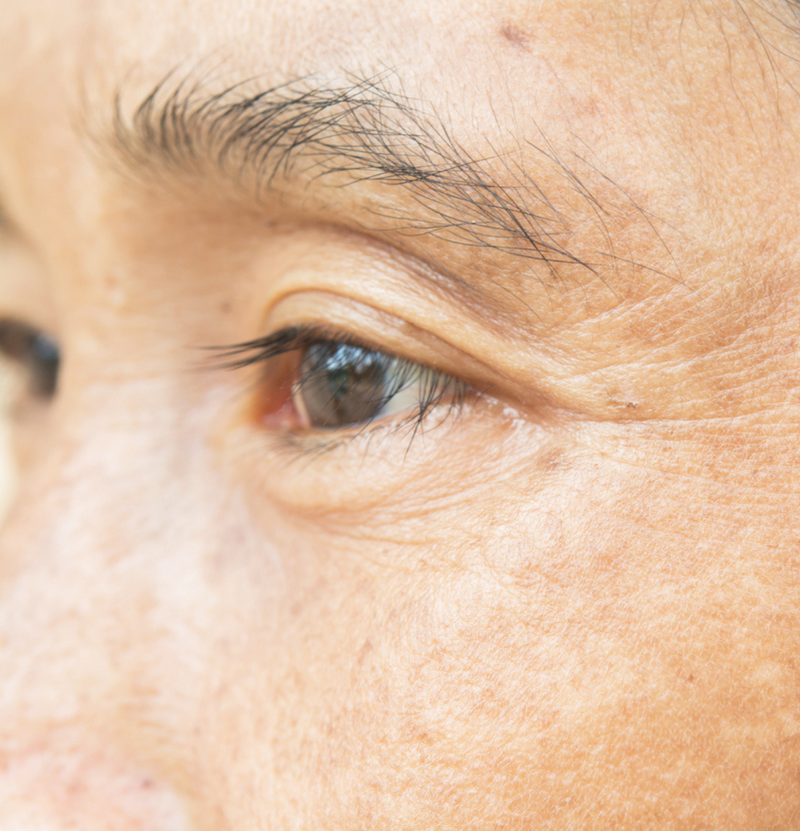
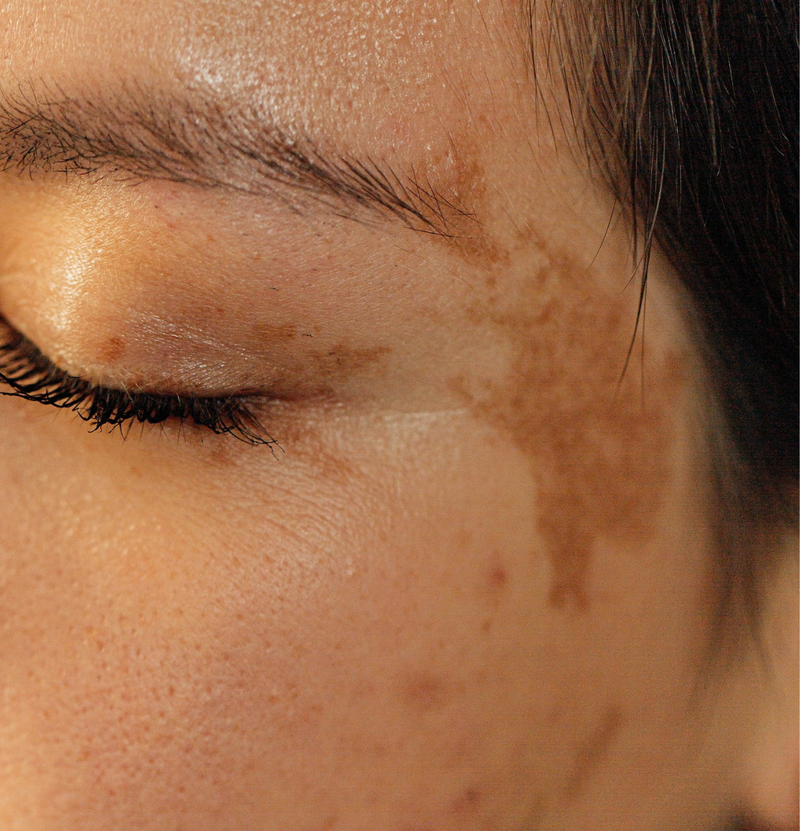
Also called N-acetyl glucosamine or NAG, it's a naturally occurring sugar molecule that interferes with the process that produces melanin, making it useful for dark spots and uneven tone. It's also a building block of hyaluronic acid, which means it supports hydration and barrier function at the same time. Not a lot of brightening ingredients pull double duty like that.

What the Research Shows

An 8-week clinical trial using 2% N-acetyl glucosamine showed visible improvement in facial hyperpigmentation compared to placebo. Solid, but the more interesting data is what happens when you pair it with niacinamide.

A randomized double-blind trial using a moisturizer with 4% niacinamide and 2% N-acetyl glucosamine showed significant reduction in facial spots and uneven pigmentation after several weeks. The two ingredients target pigmentation through different pathways, which is why the combination outperforms either one alone. If you're treating dark spots, this pairing is worth knowing about.

How to Use It

Acetyl glucosamine doesn't increase sun sensitivity, so it can be used morning and night. Apply to clean dry skin before heavier creams. It shows up most often in moisturizers and brightening serums, sometimes already combined with niacinamide.

SPF daily is non-negotiable. UV exposure worsens dark spots and actively works against anything you're using to fade them.

Mistakes to Avoid

🚫 Using it without niacinamide:

The standalone data is decent. The combination data is better. If you can use both, do.

🚫 Skipping sunscreen:

Brightening ingredients and unprotected sun exposure are working in opposite directions. SPF is part of the treatment.

Who Should Be Cautious

Acetyl glucosamine is well tolerated across most skin types. Mild irritation is possible in sensitive skin but uncommon. Patch test first if you're prone to reactions.

Final Thoughts

Acetyl glucosamine is one of the gentler brightening options with real clinical backing. Consistent use, especially alongside niacinamide, delivers measurable improvement in dark spots and uneven tone without the irritation risk of stronger actives.


Doctor's Note

  • Acetyl glucosamine is a gentle brightening ingredient that helps reduce hyperpigmentation by affecting melanin production.
  • Clinical studies show the best results when combined with niacinamide, with significant improvement in uneven skin tone.
  • Well tolerated for long-term use and can be safely incorporated into most routines with daily sun protection.

The Research

Bissett DL, Robinson LR, Raleigh PS, Miyamoto K, Hakozaki T, Li J, Kelm GR. Reduction in the appearance of facial hyperpigmentation by topical N-acetyl glucosamine. J Cosmet Dermatol. 2007 Mar;6(1):20-6. doi: 10.1111/j.1473-2165.2007.00295.x. PMID: 17348991.

Kimball AB, Kaczvinsky JR, Li J, Robinson LR, Matts PJ, Berge CA, Miyamoto K, Bissett DL. Reduction in the appearance of facial hyperpigmentation after use of moisturizers with a combination of topical niacinamide and N-acetyl glucosamine: results of a randomized, double-blind, vehicle-controlled trial. Br J Dermatol. 2010 Feb 1;162(2):435-41. doi: 10.1111/j.1365-2133.2009.09477.x. Epub 2009 Aug 28. PMID: 19845667.

Dr. Phuong Daniels

Dermatology Resident Physician

Dr. Phuong Daniels

Dermatology Resident Physician

Dr. Phuong Daniels, a dermatology resident physician in Wilmington, North Carolina, brings a unique perspective to her patient care. Shaped by her upbringing in Ho Chi Minh City, Vietnam, and her prior experience as a Doctor of Physical Therapy, she is deeply committed to improving patients' quality of life through dermatology. Outside of her medical practice, she cherishes time with her husband and kids, enjoying cooking, hiking, traveling, and photography.

Location: Wilmington, North Carolina

Doctor's Note

  • Acetyl glucosamine is a gentle brightening ingredient that helps reduce hyperpigmentation by affecting melanin production.
  • Clinical studies show the best results when combined with niacinamide, with significant improvement in uneven skin tone.
  • Well tolerated for long-term use and can be safely incorporated into most routines with daily sun protection.

The Research

Bissett DL, Robinson LR, Raleigh PS, Miyamoto K, Hakozaki T, Li J, Kelm GR. Reduction in the appearance of facial hyperpigmentation by topical N-acetyl glucosamine. J Cosmet Dermatol. 2007 Mar;6(1):20-6. doi: 10.1111/j.1473-2165.2007.00295.x. PMID: 17348991.

Kimball AB, Kaczvinsky JR, Li J, Robinson LR, Matts PJ, Berge CA, Miyamoto K, Bissett DL. Reduction in the appearance of facial hyperpigmentation after use of moisturizers with a combination of topical niacinamide and N-acetyl glucosamine: results of a randomized, double-blind, vehicle-controlled trial. Br J Dermatol. 2010 Feb 1;162(2):435-41. doi: 10.1111/j.1365-2133.2009.09477.x. Epub 2009 Aug 28. PMID: 19845667.